Zelle
What’s Zelle®? Glad you asked!
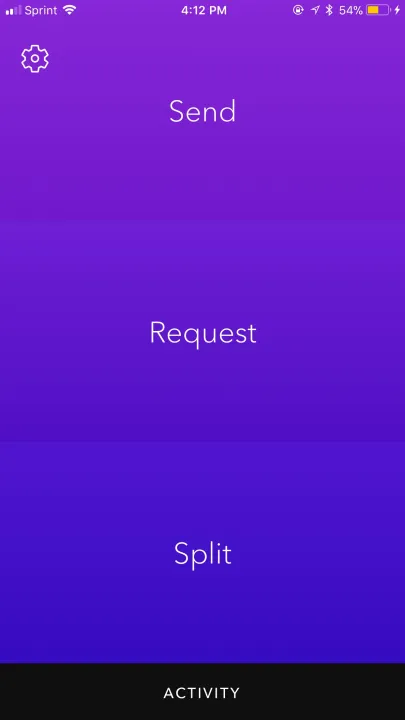
Zelle® is a great way to send money to friends and family, even if they bank somewhere different than you do.1 That means it’s super easy to pitch in or get paid back for all sorts of things like the neighborhood block party or getting paid back for covering the cost of a vacation rental for a group of friends. Zelle® is already in lots of banking apps, so look for it in yours today.
Read moreCASE STUDY: ZELLE®
About Zelle®
Zelle is a US-based digital payments network owned by Early Warning Services, a private financial services company owned by the US-based banks Bank of America, BB&T, Capital One, JPMorgan Chase, PNC Bank, US Bank, Citibank and Wells Fargo.
Through the Zelle network, enrolled users can send and receive money directly in and out of their registered bank account. Thanks to the collective cooperation of the owner banks (and over one hundred participant financial institutions), transfers between registered users is typically completed in mere minutes. Transfers to pre-enrolled recipients can take between 1 and 3 business days after recipient enrollment.
Unlike principle P2P competitors Venmo and PayPal, Zelle doesn’t hold funds in essentially third-party escrow. The money is in the user’s bank account and is usable immediately, not just within a P2P ecosystem. Money sent with PayPal is deposited in the recipient’s PayPal account, immediately usable only in another PayPal transaction. Transferring PayPal funds to a user’s bank account can take up to five business days, when avoiding a withdrawal fee. Seen through the lens of funds availability, Zelle has a clear advantage.
Read More
Background
Prompted by customer frustration (according to Capital One call center data) with manually entering Zelle recipient contact information (email or mobile number) each time s/he wants to send or request money with Zelle, we needed to allow customers to see recent recipients.
Problem Statement
As a Zelle user, I want to be able to see recent recipients to make it easier to send them money again.
Understanding User (Empathize & Design)
Re-entering data needlessly is a customer frustration. Through internal informal research and review of external user feedback channels, we were able to verify this was a problem for our customers.
Low Fidelity
Because native Address Book functionality was leveraged, we were able to move directly to mid-fidelity concepts in Sketch. And the product team was confident in the solution; no testing was done prior to the new feature going into production.
Ideation
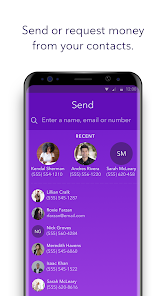
The solution was to leverage native address book functionality (iOS and Android) to display the five most recent Zelle recipients when the customer selects either Send Money or Request Money from their account landing screen in the Capital One app.
In service of transparency, the Zelle-registered name of the recipient is displayed with the recipient’s registered email address or mobile number (in Zelle parlance, this is a ‘token’).
Pre-registered recipients display the email address or mobile number only as they are unknown recipients in the Zelle network and therefore do not have a token owner displayed. The ‘ownerless’ token display implies that the transaction is currently incomplete; money has been sent (or requested) but the pre-registered recipient has not yet taken action to receive or respond.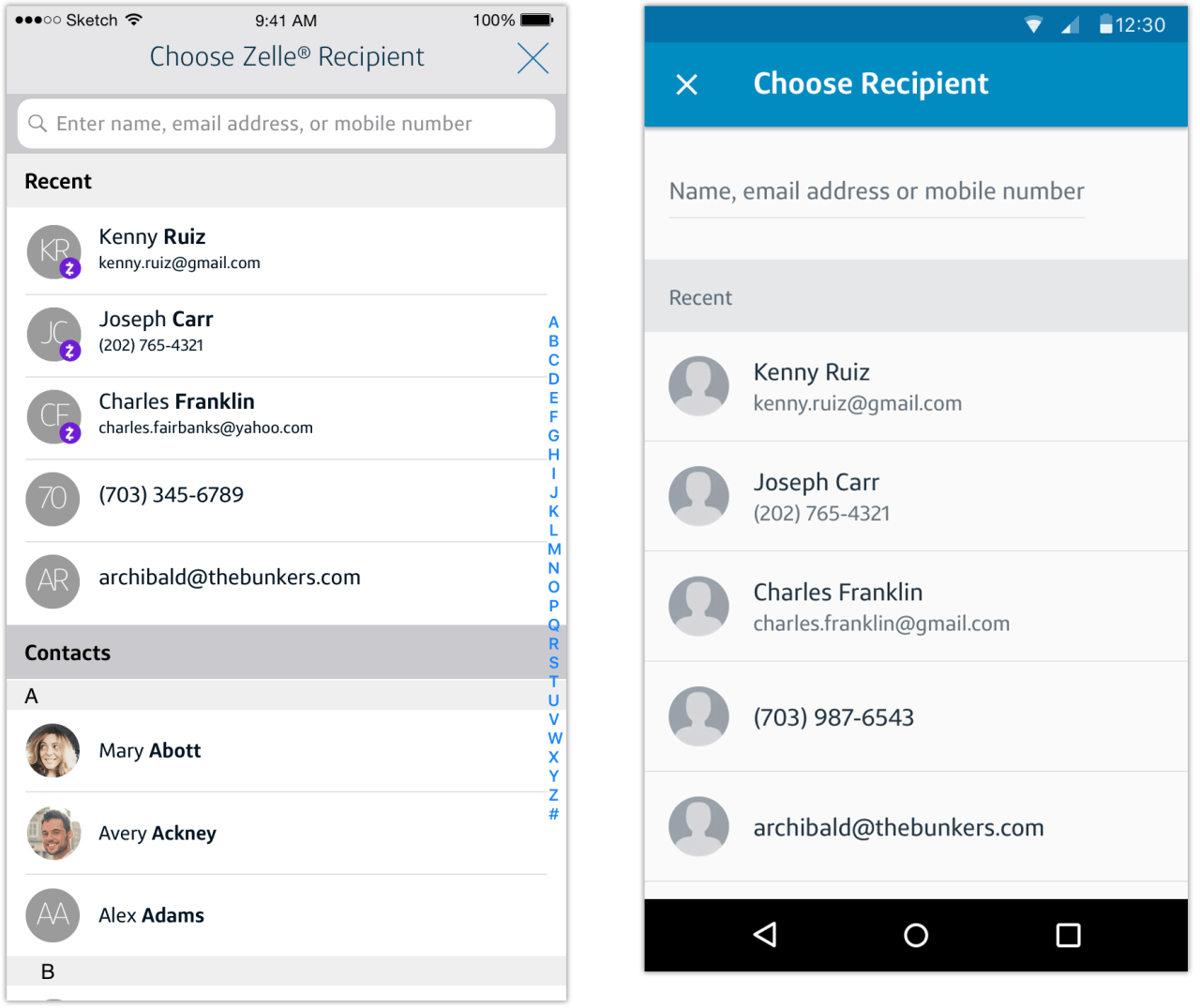
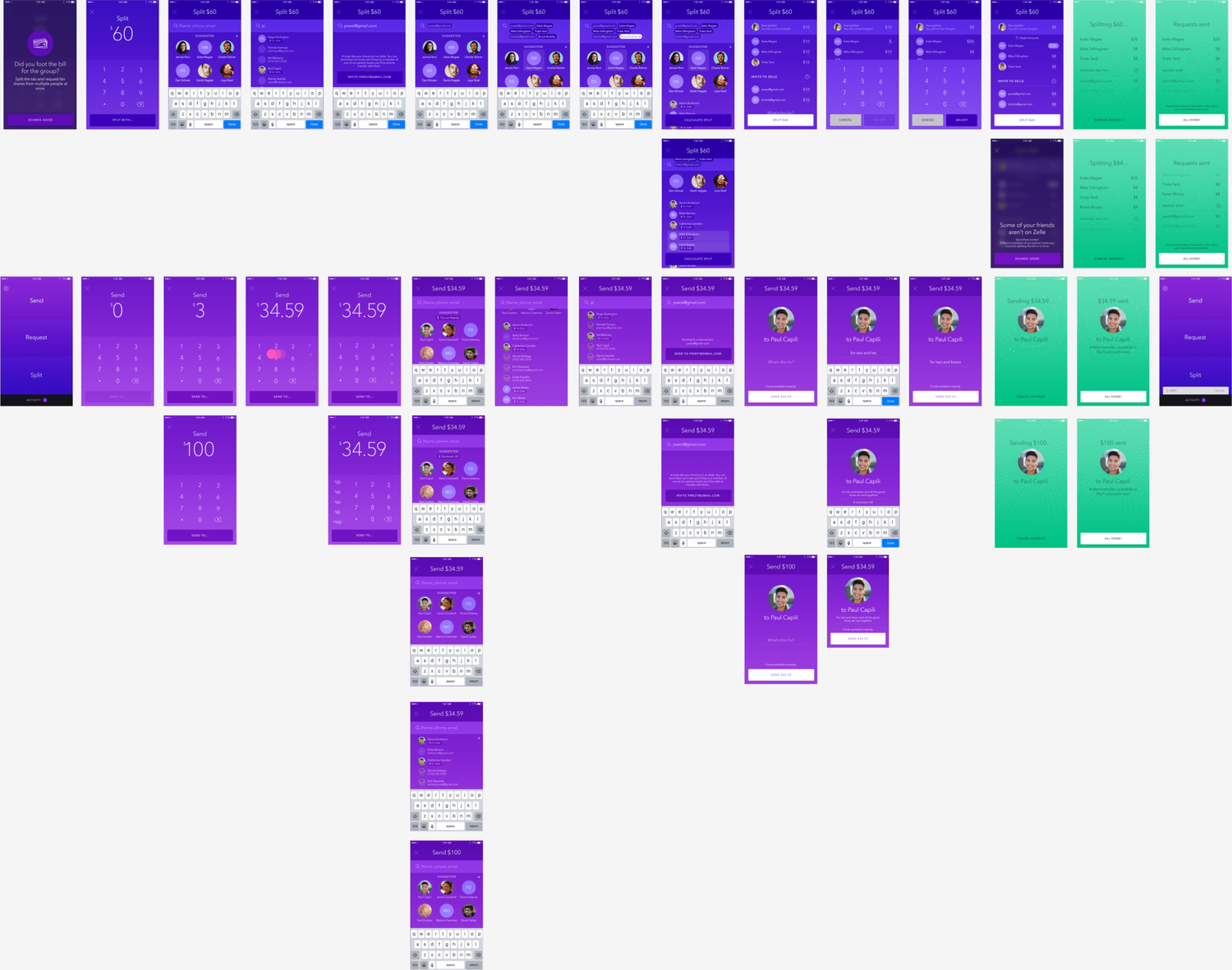
High Fidelity Screens